IN-OFFICE SERVICES
TMJology is located in a professional home based clinic just 4 miles southwest of the Broncos Stadium in Denver, Colorado.
2-HOUR NEUROMUSCULAR EVALUATION AND HANDS ON ASSESSMENT
1.
Health History Review
We begin by reviewing your health and dental history to identify patterns contributing to TMJ symptoms. We discuss:
• Previous dental work or orthodontics
• Jaw trauma, clenching, or grinding
• Jaw pain, headaches, or neck tension
• Sleep quality and breathing patterns
• Oral habits like mouth breathing or gum chewing
2.
TMJ Function Assessment
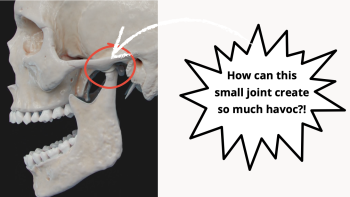
We evaluate how your jaw joint moves and functions.
We observe:
• Jaw opening and closing
• Side-to-side movement
• Forward movement of the jaw
• Any clicking, restriction, or deviation
This helps identify movement patterns that may be contributing to symptoms.
3.
Neuromuscular Pattern Evaluation
Many TMJ issues are influenced by muscle habits and coordination patterns.
We look for patterns such as:
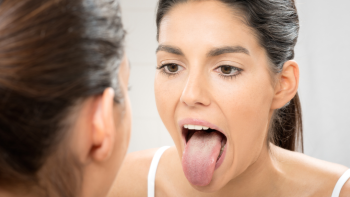
• Low or forward tongue posture
• Open-mouth resting posture
• Overactive neck and facial muscles
• Tension patterns affecting jaw movement
4.
Range of Motion & Muscle Assessment
This may include:
• Comfortable and maximum mouth opening
• Side-to-side movement
• Muscle palpation of the jaw and neck
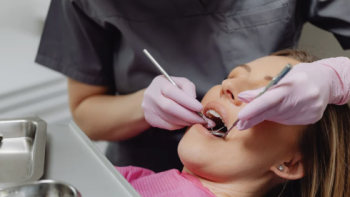
• Intraoral muscle assessment (with consent)
We identify trigger points, tight muscles, and imbalances.
5.
Fascial System Considerations
The fascial system connects the jaw, head, and neck. Restrictions in this system can influence:
• Posture
• Muscle tension
• Jaw mobility
• Movement coordination
6.
Personalized Treatment Plan
At the end of the session we review what we found and the next steps.
Your plan will include:
• Neuromuscular coordination exercises
• Breathing and posture strategies
• Habit awareness and correction
• Manual therapy to reduce muscle tension
We also review recommended treatment options and cost.
7.
Collaborative Care
TMJ conditions often benefit from a team approach. When appropriate, referrals may be made to providers such as:
• Dentists
• Orthodontists
• ENTs
• Physical Therapists
• Chiropractors
• Sleep Doctors
8.
What This Appointment Helps Determine
Your evaluation helps identify:
• If muscular dysfunction is contributing to your pain
• How your jaw is functioning
• The most effective treatment approach moving forward
Ready to Get Started?
If you’re struggling with TMJ pain, jaw tension, or clicking, understanding the why behind your symptoms is the first step.
If you would like to learn more about what could be causing your TMJ pain, CLICK HERE to sign up for your FREE E-Book: Explore the Why to Your TMJ Pain. Is It Really Just Stress?
NEW PATIENT INTAKE AND 90-MINUTE TMJ MASSAGE
Relieve tension. Restore function.
1.
Health History Review
This appointment includes 90 minutes of hands-on treatment, scheduled within a 2-hour session to allow time for a detailed review of your intake form before your treatment begins. Your intake form is carefully reviewed prior to your session so the time in the treatment room can be fully intentional and tailored to your symptoms, history, and goals.
2.
TMJ Massage
This specialized TMJ massage is designed for individuals experiencing symptoms of Temporomandibular Joint Disorder (TMJD) such as:
• Jaw pain
• Headaches
• Limited jaw mobility
• Clicking or popping in the jaw
Treatment focuses on the muscles and soft tissues that influence jaw mechanics, helping reduce tension, improve mobility, and support overall function.
3.
Grounding & Breathwork
We begin with gentle breath work and supportive cradling of the base of the skull to help calm the nervous system and create a sense of safety, awareness, and relaxation.
4.
Neck & Upper Back Massage
Swedish techniques and gentle stretching help release superficial tension in the neck and upper back, preparing the body for deeper therapeutic work.
5.
Trigger Point Therapy
Targeted pressure may be applied to trigger points in the upper back, neck, jaw, and head to help reduce referred pain and muscular tension patterns.
6.
Intraoral Massage
With gloved hands, treatment may include work inside the mouth to release tension in muscles such as the masseter, medial and lateral pterygoids, floor of the mouth, and tongue to improve muscle function and reduce restriction.
7.
Facial, Buccal & Scalp Massage
Extraoral massage focuses on the facial muscles, buccal (cheek) tissues, and scalp. A warm towel may be applied to the face to help soften holding patterns and reduce facial strain.
8.
Closing
The session concludes with gentle lymphatic drainage techniques to support circulation and tissue recovery.
A Personalized Approach
Every session is fully customized to your individual needs.
Whether you are managing chronic TMJ dysfunction or experiencing an acute flare-up, this therapeutic approach focuses on addressing the muscular tension patterns and imbalances contributing to your symptoms.
Price
$200
To book your new patient in-office appointment, kindly click the button below.
*If you are an established patient, you may schedule the returning patient 90-minute TMJ Massage appointment.
RETURNING PATIENT 90-MINUTE TMJ MASSAGE
Every session is fully customized to your individual needs.
Whether you are managing chronic TMJ dysfunction or experiencing an acute flare-up, this therapeutic approach focuses on addressing the muscular tension patterns and imbalances contributing to your symptoms.
TONGUE THAI MASSAGE 75-MINUTE INTEGRATED PRE AND POST FRENECTOMY BODYWORK
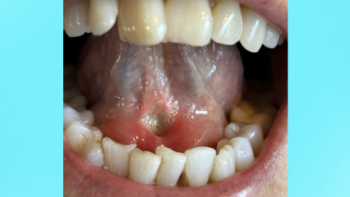
Tongue Thai Massage is a specialized therapy designed for individuals preparing for or recovering from a tongue tie release (lingual frenectomy). This treatment combines intraoral massage, therapeutic bodywork, and Thai massage techniques to support the body before and after surgery, helping improve mobility, reduce tension patterns, and support recovery.
1.
Pre-Release Preparation
Before surgery, the goal is to prepare the tongue, jaw, and surrounding tissues to support optimal outcomes. Sessions may include:
• Intraoral massage to improve tongue mobility and reduce restrictions
• Thai bodywork techniques to address compensation patterns throughout the body
• Fascial release to help create space for improved movement and healing
2.
Post-Release Recovery Care
After the release procedure, treatment focuses on healing, tissue recovery, and neuromuscular adaptation. Post-operative sessions may include:
• Massage for the jaw, neck, and shoulders
• Thai bodywork techniques to help rebalance the body
• Support for nervous system regulation
• Gentle scar tissue work when appropriate to support tissue mobility
Recommended Post-Release Timeline
1.
First Session
1–7 days after release
Focus on relaxation and circulation to support early healing. No intraoral work will be performed during this session to allow proper healing and prevent irritation.
2.
Second Session
2-3 weeks after release
Focus on restoring balance to the jaw, neck, and surrounding muscles. If the oral wound is still healing, intraoral massage will not be performed.
3.
Third Session
4 weeks after release
Once the tissue has healed, gentle scar tissue massage may be incorporated to support mobility and proper tissue remodeling.
4.
Why Full-Body Treatment Matters After a Tongue Tie Release
The body often develops compensation patterns when a tongue restriction is present.
Even after the release procedure, muscles may continue functioning as if the restriction still exists.
Because the tongue connects to the jaw, neck, and fascial system throughout the body, these patterns can influence multiple areas.
Full-body treatment helps the nervous system and muscles adapt to the new range of motion, supporting improved function and long-term outcomes.
Thai Massage
1.
What is Thai Massage?
Thai Massage is an ancient healing practice that combines acupressure, assisted stretching, and rhythmic compression along the body’s energy pathways, known as “Sen” lines in traditional Thai medicine. Unlike traditional Western massage, Thai Massage is performed fully clothed on a floor mat, and no oils or lotions are used. The session may include passive yoga-like stretches, joint mobilization, and targeted pressure applied with the hands, thumbs, elbows, knees, and feet.
2.
Benefits of Thai Massage
• Improves flexibility and joint mobility
• Reduces muscular and emotional tension
• Supports posture and body alignment
• Stimulates circulation and lymphatic flow
• Encourages relaxation and nervous system regulation
3.
A Restorative Experience
Whether you’re feeling tight, fatigued, or simply need to reset, Thai Massage offers a grounding and revitalizing experience that supports both physical movement and nervous system balance.
Not able to access in-person TMJ or intra-oral massage right now?
You may be unable to find a bodyworker in your area who specializes in TMJ and intra-oral techniques, or you may want to work with me in person but find that time or finances make that difficult right now. If in-office care isn’t an option, you can still begin addressing your TMJ pain from home.
Check out Revive My TMJ. Learn effective massage techniques and exercises to alleviate TMJ pain and restore functionality. Manage your TMJ pain at home or on the go through guided self-massage techniques and targeted exercises designed to reduce tension, improve mobility, and support long-term relief.